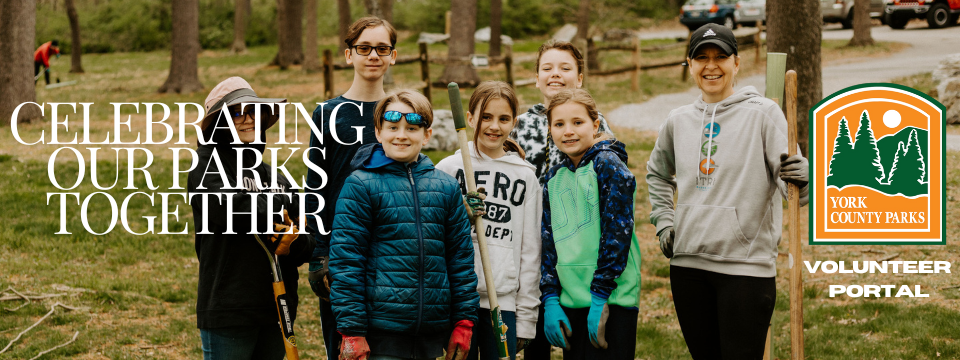

Restoration plantings often have tree tubes or cages around young saplings to prevent damage from white-tailed deer, groundhogs, and rabbits as much as possible to give young plants a good start without being pruned by wildlife. These young trees need to be checked on several times per year. This opportunity is great for earning service hours and/or completing with a team, club or family. It's flexible to work at your own pace on your own schedule. In this area, use extreme caution inside the deer fence. We planted a lot of perennials, grasses, and wildflower seeds that are not marked. Use caution when stepping into the fence!
- Check if the sapling in still alive.
- Check if the tube or cage is still standing and sturdy.
- Hammer in or replace wobbly or rotten stakes.
- Replace tubes with cages when saplings are ready for more space. Contact park staff when you need new supplies such as stakes or cages and we will put them out for you.
- Remove cages when trunks are thick enough to survive wildlife damage or are growing too much through the cage. You may need wire-cutters to break the branches free without harming them.
- Cut vines off of the cage, tube, or sapling. Pull up vines from the roots whenever possible. You can use a grocery or trash bag if you have a lot of weeds and vines, and put the bag into the dumpster.
- Pull out weeds growing inside the tube or cage with the sapling to reduce competition. Use caution not to remove beneficial native wildflowers or sedges. Use Seek, iNaturalist, or send a photo to park staff for help identifying plants.
Training and orientation can be provided for new volunteers. Please contact park staff to set-up a walk-through/training of your trees as needed.